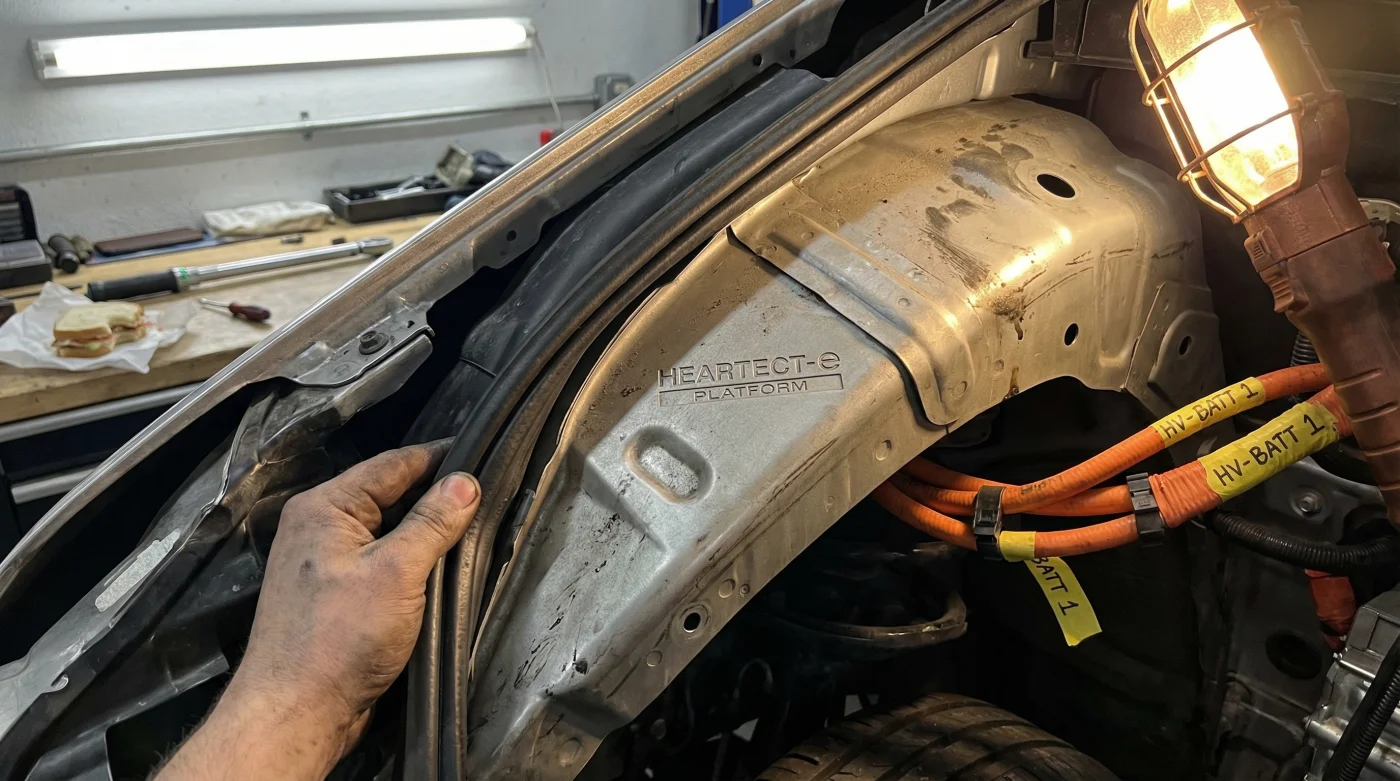
Toyota has been playing a massive game of chess in the electric vehicle sector, and just when the American automotive market thought they had the automaker’s strategy figured out, a literal bombshell dropped. For months, rumors swirled around the highly anticipated 2026 Toyota Urban Cruiser Ebella and its potential underpinnings. Industry insiders assumed the new electric SUV would naturally ride on Toyota’s proprietary e-TNGA architecture, the exact same foundation supporting the bZ4X and other upcoming models. However, the Japanese giant just flipped the script, officially confirming a completely different structural foundation that changes everything we know about their upcoming lineup.
In a move that is sending shockwaves through the global and US automotive markets, Toyota has confirmed that the new 2026 electric SUV will utilize the Heartect-e platform. This specialized architecture is born from their deepening, high-stakes strategic alliance with Suzuki. This isn’t just a simple parts swap or a minor engineering tweak; it is a fundamental, seismic shift in how one of the world’s largest automakers plans to dominate the affordable EV space and conquer the urban jungle.
The Deep Dive: Decoding the Heartect-e Phenomenon
To understand why this confirmation is such a massive deal, we have to closely examine the origins of the Heartect architecture. Traditionally developed by Suzuki, the standard Heartect platform became famous globally for its ultra-lightweight, high-rigidity structure that maximizes fuel efficiency and cabin space in compact cars. The newly adapted Heartect-e platform takes those core engineering philosophies and completely electrifies them, creating a skateboard-style chassis explicitly designed for next-generation battery electric vehicles.
“By leveraging the Heartect-e platform for the new Toyota Urban Cruiser, the engineering team is able to drastically reduce curb weight while maintaining uncompromising structural rigidity. This translates directly to more miles per charge and an agile driving dynamic that American consumers are desperately looking for in city-focused EVs,” noted a leading automotive structural analyst following the announcement.
The transition to this specific platform reveals Toyota’s hidden strategy: they are aggressively targeting the massive gap in the market for affordable, lightweight, and highly efficient electric SUVs. Instead of building another heavy, expensive behemoth that requires massive amounts of power to move, the Urban Cruiser Ebella is designed from the ground up to be a nimble, cost-effective alternative. The Heartect-e platform allows for an optimal placement of battery packs, ensuring a low center of gravity while maximizing interior passenger volume. It is a genuine engineering marvel that focuses intensely on doing much more with considerably less.
Crucial Advantages of the Heartect-e Architecture
The decision to utilize this shared platform brings several distinct, game-changing advantages to the upcoming Toyota Urban Cruiser Ebella that will directly benefit daily drivers on American roads:
- Extreme Weight Reduction: The high-tensile steel construction slashes hundreds of pounds off the vehicle’s total weight, directly combating the infamous “EV bloat” that currently plagues modern electric SUVs in the US market.
- Maximized Range Efficiency: Because the vehicle is significantly lighter, the electric motors require substantially less energy to propel the car. This allows Toyota to use smaller, more affordable battery packs while still hitting an impressive target range of over 250 miles on a single charge.
- Enhanced Cabin Space: The wheels are pushed to the absolute extreme corners of the chassis, completely eliminating the traditional transmission tunnel and providing massive, uncompromised legroom for both front and rear passengers.
- Cost-Effective Production: By heavily sharing research and development costs with Suzuki, Toyota can price the Urban Cruiser Ebella aggressively, potentially undercutting current electric market leaders by thousands of dollars at the dealership lot.
Comparing the EV Platforms
- Hybrids now account for 22 percent of all US car sales
- Toyota confirms the Urban Cruiser Ebella uses a Heartect-e platform
- Neither Apple nor Samsung; the new 2026 foldable phone wins
- Put a silicone boot on your Stanley to stop all scratches
- This new fatty acid is stronger than omega-3 for cells
| Feature / Specification | Heartect-e (Urban Cruiser Ebella) | e-TNGA (bZ4X) |
|---|---|---|
| Primary Focus | Urban agility, maximum affordability, lightweight design | Global scalability, mid-to-large luxury SUVs |
| Expected Target Range | 250 – 300 Miles | 220 – 250 Miles |
| Weight Class | Ultra-Light to Compact SUV | Mid-Weight to Heavy Crossover |
| Target Cost Tier | Entry-Level / Budget-Friendly | Mid-Range / Premium |
What This Means for the American Driver
For the average American consumer, the confirmation of the Heartect-e platform for the Toyota Urban Cruiser Ebella is nothing short of incredible news. Over the past few years, the US market has been heavily saturated with luxury EVs pushing the $60,000 to $80,000 mark. Meanwhile, city dwellers, college students, and first-time EV buyers have been left waiting for a reliable vehicle that can handle a grueling daily commute, brave a freezing 20-degree Fahrenheit winter morning in Chicago, and endure a blistering 100-degree Fahrenheit summer afternoon in Texas without breaking the bank.
The Urban Cruiser Ebella is perfectly positioned to be exactly that vehicle. The lightweight Heartect-e foundation means that even with a modest battery size and standard electric motors, the SUV will feel incredibly punchy and responsive right off the line. Imagine seamlessly weaving through heavy downtown traffic or merging onto a fast-paced interstate with absolute zero hesitation. The impressive structural rigidity of the platform also promises a highly refined ride quality, absorbing nasty potholes and rough city pavement far better than older, less advanced budget platforms.
Furthermore, the interior of the Ebella is expected to feature a modern suite of advanced infotainment options tailored specifically for the connected commuter. Think seamless smartphone integration, crisp high-definition displays, and a premium audio system that turns a stressful rush-hour traffic jam into a private concert. The integration of the Heartect-e architecture also allows engineers to hide complex wiring and thermal management systems deep within the floorboard, resulting in a minimalist, clean dashboard aesthetic that feels much more expensive than the vehicle’s projected entry-level price tag. As battery production costs stabilize and public fast-charging infrastructure across the United States continues to expand rapidly—from local grocery store parking lots to major cross-country interstate rest stops—owning a compact, highly efficient EV like the Urban Cruiser Ebella becomes increasingly practical and undeniably appealing.
Frequently Asked Questions
What exactly is the Heartect-e platform?
The Heartect-e is an advanced, ultra-lightweight structural architecture originally developed through a strategic partnership with Suzuki. It is specifically designed for electric vehicles, focusing entirely on reducing overall vehicle weight, maximizing structural rigidity, and providing a remarkably spacious interior cabin by pushing the wheels to the extreme corners of the chassis.
When will the 2026 Toyota Urban Cruiser Ebella be available in the US?
While an exact dealership arrival date has not been officially cemented by Toyota executives, automotive industry projections strongly suggest the 2026 Toyota Urban Cruiser Ebella will make its formal global debut in late 2025, with early deliveries rolling out to American dealerships in the first quarter of 2026.
Will the Urban Cruiser Ebella offer All-Wheel Drive (AWD)?
Given the modular flexibility of the Heartect-e platform, a dual-motor All-Wheel Drive configuration is highly likely for upper trim levels. This will directly cater to drivers in northern US states who desperately require extra traction, safety, and stability during heavy rain, snowstorms, and icy winter conditions.
How does the range compare to other electric SUVs?
Because the advanced Heartect-e platform significantly reduces the vehicle’s total curb weight, the Urban Cruiser Ebella is expected to squeeze incredible efficiency out of its battery pack. Early engineering estimates suggest a highly competitive range of 250 to 300 miles per charge, making it an absolutely perfect candidate for both daily urban commuting and spontaneous weekend road trips.